
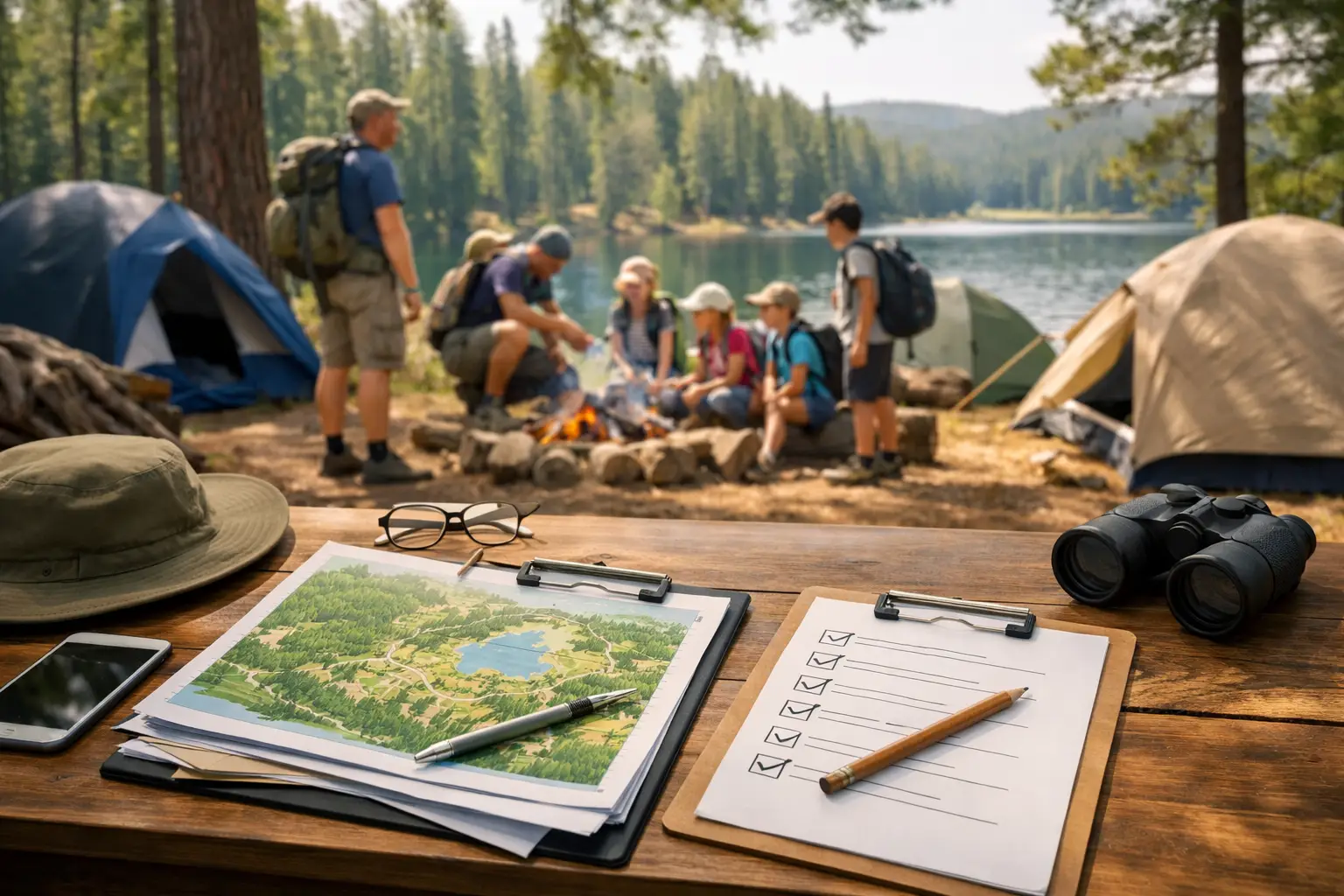
The best school camping trips have a moment when the usual classroom roles fall away: the quiet pupil becomes brilliant at lighting a fire, someone spots a barn owl at dusk, and a group of friends proudly serves up a slightly wonky breakfast. Knowing how to organise a school camping trip means creating room for those moments while keeping the grown-up logistics calm, safe and properly considered.
A great outdoor residential should feel adventurous to pupils, not complicated. The trick is to choose a setting and plan that gives children a little more freedom than a normal school day, with enough structure, shelter and support for everyone to relax into it.
Start with the purpose, not the packing list
Before looking at campsites, agree what the trip is for. Is it a Year 6 transition experience? A geography field trip? A reward for a small group? Or a chance for pupils to build confidence away from home? Your answer shapes everything from the length of stay to the activities, staffing and accommodation.
For younger pupils or first-time campers, one night can be plenty. They still get the magic of sleeping outdoors, torchlit trips to the loo and breakfast in the fresh air, without becoming overtired. Two nights usually gives older groups more time to settle, take part in activities and enjoy a slower final morning.
Set a realistic budget early. Include transport, accommodation, food, activity leaders, insurance, contingency costs and any equipment hire. A lower nightly pitch fee can look appealing, but a site with toilets, hot showers, drinking-water points, sheltered space and help on hand may save time, hiring costs and a great deal of staff worry.
How to organise a school camping trip safely
Safety should sit underneath the whole experience, not flatten the fun out of it. Start planning well ahead, ideally a term or more before travel, so that approval processes, payments and parent communication have breathing room.
Visit the venue if possible. Walk the route from sleeping areas to toilets, check boundaries, identify vehicle access and look at the places pupils will gather if it rains. Ask direct questions about overnight supervision, first-aid arrangements, fire safety, emergency contacts, food hygiene, accessibility and whether the group has exclusive or shared use of key areas.
Your school’s educational visits lead will have its own procedures, and these should guide the trip. Complete the required risk assessments, check staff ratios, confirm DBS and safeguarding expectations for any external activity providers, and make clear who is responsible for each group at every point of the day. It is also wise to appoint named staff for first aid, medicines, registers and parent contact, rather than assuming somebody will pick it up.
A simple pupil boundary briefing works better than a long list of warnings. Show children the physical limits of the site, explain when they must be with an adult, agree a buddy system for toilet visits after dark, and rehearse what to do if they cannot find their group. Give staff a clear night-time plan too. Tired children, unfamiliar noises and a misplaced sleeping bag can all feel much bigger at 1am.
Medical information needs particular care outdoors. Collect it early, check it again shortly before departure and have a secure, agreed system for medication. Speak to the venue about allergies and dietary needs before menus are confirmed. If a pupil needs a specific sleeping arrangement, regular medication, mobility support or a quieter space, plan for it openly and without making them feel singled out.
Choose comfort that supports confidence
Camping does not need to mean pupils shivering in leaking tents or staff wrestling with guy ropes in the rain. For a school group, the right accommodation is often the difference between an energising trip and an exhausted one.
Traditional self-pitch camping can be brilliant when learning campcraft is one of the outcomes and you have experienced staff, good weather tolerance and enough time. Pre-pitched bell tents or other ready-made accommodation reduce the setup pressure and give pupils a dry, welcoming base from the moment they arrive. It also means teachers can focus on the group rather than assembling a temporary village before supper.
Think about sleeping arrangements carefully. Keep friendship groups manageable, consider gender and age appropriately, and give staff accommodation close enough for supervision without placing adults inside pupil sleeping spaces. Ask how many people each tent can comfortably sleep, what flooring and lighting are available, and whether camp beds, mattresses or bedding are included.
Facilities matter more than pupils may admit before they leave home. Clean toilets, hot showers and easily accessible drinking water help everyone feel settled. A covered communal area is equally valuable. It can become the base for a wet-weather craft session, a briefing point, a place to eat together or simply somewhere to warm up with a mug of hot chocolate.
For schools in East Sussex and the South East, a venue such as Woods & Meadow Campsite can offer the outdoorsy feel children remember, with practical touches that make group hosting kinder on staff: proper facilities, space to gather and accommodation options beyond the basic tent-and-field setup.
Build a rhythm, not a packed timetable
The most memorable parts of a camping trip are often unplanned: a beetle investigation beside a path, a chat around the fire, a child seeing more stars than they ever have at home. Leave space for these things.
That does not mean arriving without a plan. Build a clear rhythm around meals, headcounts and quiet time, then allow activities to breathe. On arrival, begin with a site walk, boundaries briefing and tent familiarisation before launching into anything ambitious. Pupils who know where their water bottle, torch and sleeping bag belong are more ready to enjoy themselves.
A good first afternoon might include a nature scavenger hunt, shelter-building, a local walk or a practical camp task. Evening activities should be sociable but not over-stimulating. A campfire story, stargazing session, team quiz or quiet reflection on the day tends to work better than trying to squeeze in one final high-energy challenge.
Weather needs an equal plan, not a grudging backup. Pack activities that work under cover, such as map-reading, natural art, knot-tying, journalling or a local-history session. Wet woodland can still be wonderfully atmospheric, but only if children have dry layers to return to and adults are not trying to invent a programme while rain runs down their sleeves.
Make food part of the experience
Hungry children have a remarkable ability to turn a minor delay into a full-scale expedition emergency. Keep meals straightforward, familiar and filling, with water and snacks easy to reach throughout the day.
Decide whether the venue will cater, whether school staff will cook, or whether a mix makes most sense. Catered evening food takes pressure off teachers and can feel like a real treat after a day outdoors. Self-catering gives flexibility and can involve pupils in useful life skills, but it needs adequate cooking equipment, safe food storage, washing-up arrangements and enough adults to supervise it all.
Breakfast is worth planning generously. Porridge, cereal, fruit, toast and something warm can set everyone up well. For packed lunches, choose items that travel easily and do not create mountains of litter. Reusable bottles and clearly labelled lunch crates make group meals less chaotic.
If you are using a fire pit, follow the venue’s rules closely and keep it adult-led. Toasting marshmallows is lovely; trying to cook a full dinner over a fire for thirty hungry pupils is a different proposition. It depends on your group, your facilities and how much time you genuinely have.
Give parents clear, reassuring information
Parents do not need a novel, but they do need to know that the trip is well run. Send one clear information pack covering travel times, accommodation, facilities, food, kit, emergency contact arrangements, medication deadlines and collection details. Include a short explanation of what pupils will gain from the experience, particularly if this is their first overnight trip.
Be specific about kit. Children need warm layers, waterproofs, sturdy footwear, a refillable water bottle, torch, sleeping clothes and a named bag for dirty items. Avoid vague instructions such as “bring sensible clothes”. Families interpret those words very differently. If pupils need a sleeping bag, sleeping mat or pillow, say so plainly and offer discreet support where equipment costs could be a barrier.
A kit check before departure is kinder than discovering a missing coat at the campsite. Encourage parents not to pack precious items, and remind pupils that mobile phones may not be needed. A night away from notifications is part of the point.
Let the trip feel like an adventure
The goal is not to recreate school outdoors. Let pupils carry wood, help set tables, notice the weather, make decisions in small teams and take pride in looking after the place they are staying. These ordinary jobs are where confidence quietly grows.
When the final bags are loaded and everyone is a little muddy, sleepy and reluctant to leave, you will know the balance was right. Plan carefully, choose a venue that looks after the practicalities, then leave enough wild space for children to come home with stories that cannot be made in a classroom.