
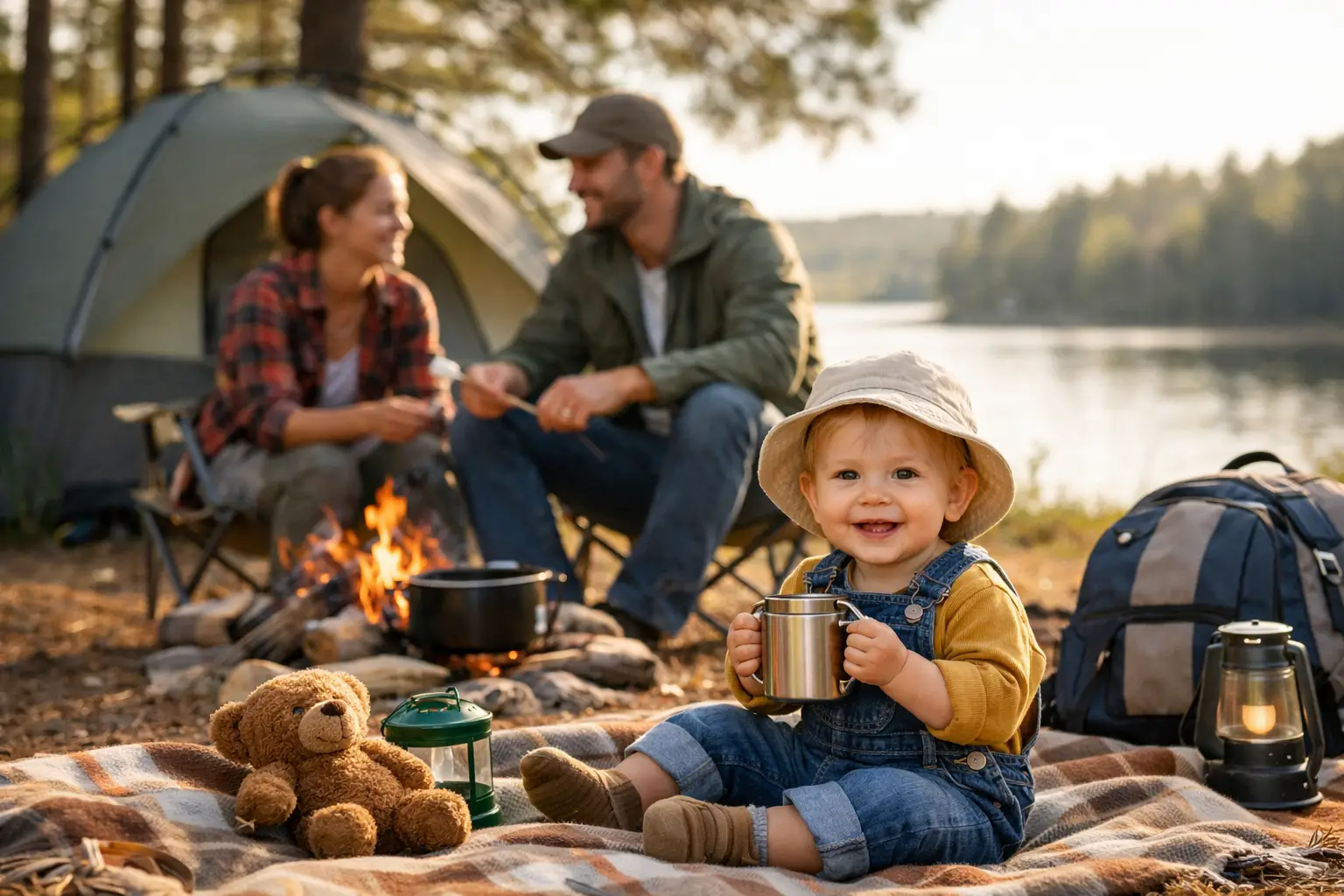
A toddler’s idea of a brilliant holiday is wonderfully uncomplicated: a puddle deep enough for proper splashing, a stick worth carrying everywhere and permission to eat breakfast outside. Camping with toddlers can bring all of that in abundance. It can also involve a 5am wake-up, one missing shoe and a strong opinion about the colour of their cup. The secret is not trying to recreate your usual routine under canvas. It is choosing a gentler version of outdoor life, with enough comfort to let everyone enjoy it.
For families craving a countryside reset without a mammoth journey or a military-style packing operation, a first camping trip can be one of those small adventures that becomes family folklore. The early days may be a little scruffy around the edges. That is part of the charm.
Start small and make the first night easy
A two-week expedition is not required to prove you are outdoorsy. For a first trip, one or two nights is often ideal. You get the thrill of sleeping outside and the novelty of a campfire, without reaching the point where tiredness takes over and everybody wishes they were home.
Location matters more than a dramatic view when little ones are involved. Look for a campsite with clean loos, hot showers, drinking water nearby and a sensible distance between your pitch and the facilities. Those details may sound unglamorous, but they make the difference when a toddler suddenly needs the toilet, somebody has fallen in the mud, or you are carrying a sleepy child back after dark.
It is also worth thinking about the journey. A campsite within easy reach of London and the South East leaves more time for the good bit: arriving, putting the kettle on and watching your toddler investigate the grass as though they have discovered a new planet. Arriving before late afternoon gives you breathing room to settle in before bedtime starts looming.
For some families, self-pitch camping is exactly the right level of adventure. For others, a pre-pitched bell tent, shepherd’s hut or other comfy camping option takes away the biggest hurdle: putting up a tent while a small person attempts to help. There is no gold medal for making life harder. The best choice is the one that leaves you with energy for a marshmallow and a story before bed.
Pack for camping with toddlers, not a wilderness trek
Toddlers do not need every toy from home, but they do need a few familiar anchors. Their usual sleep comforter, sleeping bag or bedding, favourite cup and a bedtime book can make an unfamiliar tent feel reassuringly normal. If they normally sleep in a travel cot, consider whether there is genuinely room for it and whether they will settle more easily there than on a toddler sleeping mat.
Layering is your friend in British weather. Even after a sunny day, evenings can turn chilly surprisingly fast. Pack warm pyjamas, socks, a fleece, waterproofs and at least one full spare outfit more than you think necessary. Mud is a campsite classic, and a dry child is usually a happier child.
A small, grab-and-go bag for the day is useful for wipes, sun cream, plasters, snacks, water and a change of clothes. Keep a torch or headtorch close by too. Toddlers find torches wildly exciting, but after bedtime they are also practical for a quick dash to the loo or a search for the beloved toy that has rolled beneath the camp bed.
Bring simple food you know will be eaten. Camping is not the moment to test a new lentil stew on a selective two-year-old. Easy breakfasts, fruit, crackers, pasta, sausages and familiar snacks take the pressure off. A campsite pizza night or good food offering can be a welcome treat for parents, particularly on arrival day when cooking feels like one job too many.
Keep the rhythm, loosen the rules
Children often sleep better outdoors than parents expect. Fresh air and an active day do a lot of the hard work. Still, tents are lighter, noisier and less predictable than bedrooms, so it helps to preserve the bones of your usual routine.
Aim for a familiar sequence: wash, pyjamas, milk or a story, then bed. It may happen half an hour later than at home, and that is fine. Camping is not about clock-watching. It is about giving your toddler enough cues to feel safe while allowing the day to unfold a little differently.
Naps deserve a flexible approach. Some toddlers will nap in the buggy, carrier or car on the way back from an outing. Others will need a quiet hour at camp after lunch. Avoid packing every minute with activities. A slow afternoon drawing in the shade, playing with toy animals or simply watching ants is not wasted time. It is often what keeps the evening cheerful.
Do be realistic about light. In summer, a darkened sleep space can help, but never compromise ventilation or safety by covering a tent in blankets. A familiar sleeping bag, a calm wind-down and a day spent outdoors will generally do more than trying to make camping feel exactly like home.
Let the campsite do some of the entertaining
Toddlers are experts at finding joy in the ordinary, which makes a campsite one of the best playgrounds going. A walk to fill up water bottles becomes an expedition. Looking for feathers becomes a treasure hunt. Helping carry kindling, under close supervision, feels like serious work.
The trick is to choose activities with a low effort-to-delight ratio. A bucket, a few nature-safe scavenger prompts and space to roam are often enough. You might look for something smooth, something green, a tiny creature, a bird sound and the best stick of the day. Keep expectations light and stay close to paths and boundaries, especially near fires, water or farm areas.
If you are near the Sussex coast, a morning on a hidden beach or a short woodland wander can add variety without overloading the day. But do not underestimate the magic of staying put. A family-friendly campsite with room to play, relaxed communal areas and a few thoughtful extras means the holiday begins as soon as you unzip the tent.
At Woods & Meadow Campsite, the mix of open-air freedom, hot showers, fresh water points and comfort-led stays makes it easier to have the muddy, memory-making bits without the avoidable faff. Parents can enjoy a proper cup of coffee while little campers get on with the very serious business of being outside.
Campfire safety without taking away the fun
A fire pit is often the centre of a camping evening, but it needs a clear plan with toddlers around. Set one simple rule early: the fire area has an invisible boundary that only adults cross. Show your child where that boundary is, repeat it calmly and keep a grown-up nearby at all times.
Seat them a safe distance away, keep sleeves and loose blankets clear, and save toasted treats for when they are settled rather than overtired. A toddler does not need to hold a roasting stick to enjoy the occasion. They can watch flames flicker, listen to stories and eat a marshmallow that an adult has prepared.
The same principle applies to camp stoves and lanterns. Keep cooking kit out of reach and make a habit of putting anything hot away as soon as you are finished. A little structure creates a more relaxed evening for everyone.
Expect wobbles and leave room for them
Even the most enthusiastic little camper may have a moment when they want their own bed, their usual cereal or the exact jumper currently in the wash bag. Resist the urge to label the trip a disaster. Toddlers move quickly between big feelings and big delight. A snack, a cuddle, dry socks or ten quiet minutes in the tent can reset the whole day.
Weather is another trade-off. A bright, dry forecast is lovely, but a bit of drizzle does not need to derail the break if you have waterproofs and an unhurried mindset. Rain turns paths into puddle courses and tent time into an excuse for books, stickers and a warm drink. Persistent heavy weather is different, of course, and it is sensible to adjust plans or choose more sheltered accommodation when needed.
Try not to measure success by perfect sleep, spotless faces or how many local attractions you managed. Measure it by the things your child notices: a bird overhead, the crackle of the fire, toast eaten with cold fingers, stars where there are usually streetlights. Those are the details that make a first camping trip feel gloriously bigger than an ordinary weekend.
When you head home, there may be laundry, sandy shoes and a slightly exhausted passenger in the back seat. There may also be a toddler asking when they can sleep in the tent again. That is usually a very good sign.