
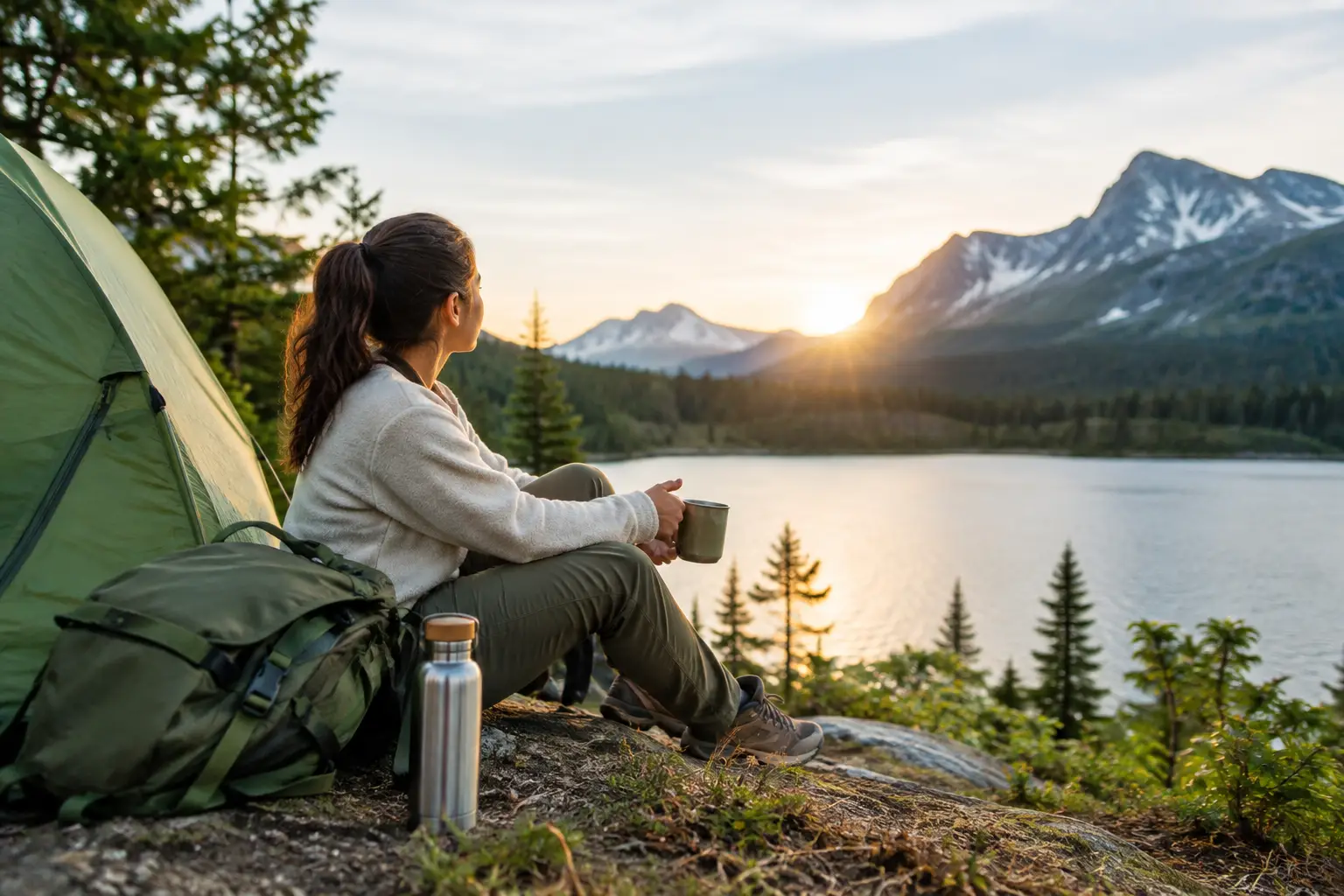
A proper countryside break should leave you brighter-eyed, slower-paced and full of stories about muddy knees, starry skies and the pizza that disappeared far too quickly. It should not leave a beautiful field strewn with forgotten tent pegs, single-use plastic or the feeling that enjoying nature came at nature’s expense. Sustainable camping experiences are about keeping the magic while treading a little more lightly – without pretending everyone wants to forgo a hot shower or sleep on a roll mat that has seen better days.
For families, couples and groups escaping London and the South East for a few days, the good news is that lower-impact camping can be wonderfully easy. Often, it simply means choosing well, packing thoughtfully and settling into the rhythm of the site once you arrive.
Start with a stay that makes low-impact choices easier
The most sustainable bit of kit is usually the thing you do not need to buy, carry or throw away. That is why a campsite’s set-up matters. Good drinking-water points mean fewer plastic bottles. Proper loos and hot showers make it much easier to avoid disposable wipes and bottled toiletry minis. Clear recycling and waste facilities remove the guesswork when everyone is tired after a day outdoors.
If pitching a tent is part of the joy for you, use what you already own and look after it. A well-maintained tent can last for years, while borrowing or hiring equipment for an occasional trip is often kinder on both your wallet and the planet than buying cheap gear for one weekend.
For a special occasion, pre-pitched bell tents, shepherd’s huts or other ready-to-stay spaces can be a smart option too. You avoid the car boot packed with duplicate camping kit, arrive with less stress and can spend more of the first afternoon exploring, rather than untangling guy ropes. The trade-off is that these stays may cost more than a simple pitch, so they suit guests who value comfort, convenience and a lighter packing list.
At Woods & Meadow Campsite, that balance is part of the appeal: the countryside can still feel wild and free when there is fresh water nearby, clean facilities to come back to and a cosy bed waiting after the fire has burned down.
Pack for sustainable camping experiences, not every possibility
Overpacking is a classic camping habit. A weekend away somehow becomes an expedition involving three bags of snacks, several fleece layers per person and a kitchen drawer’s worth of gadgets. Packing lighter cuts down on car space and makes setting up camp less of a production.
Bring refillable bottles, a flask for hot drinks and a few sturdy cups, plates and food containers. A cool box is useful, but plan what goes into it. Choose meals that share ingredients across the weekend: vegetables for a first-night supper can become breakfast wraps the next morning, while leftover bread can be toasted over the fire rather than binned.
A small washing-up bowl, biodegradable washing-up liquid and reusable cloths go a long way. Biodegradable does not mean harmless everywhere, though. Never tip soapy water into a stream, hedge or meadow. Use the designated facilities and follow the campsite’s guidance.
For toiletries, decant only what you will use or choose solid bars for shampoo and soap. Sun cream, insect repellent and a simple first-aid kit are worth having, particularly with children in tow. The aim is not to travel with nothing. It is to bring useful things deliberately.
Eat locally, waste less and make meals part of the holiday
Food can be one of the best parts of camping, especially when it is not all squashed crisps and emergency cereal bars. Buying from local farm shops, bakeries and producers supports the area you are visiting and often means less packaging than a last-minute supermarket sweep. It also gives the weekend a sense of place: Sussex bread for breakfast, seasonal berries in a bowl and something delicious sizzling as the evening cools.
Plan portions honestly. Group trips can make this tricky, as everyone brings snacks and nobody wants to be the person responsible for running out of sausages. A quick meal plan before you leave prevents four bags of salad and enough breakfast supplies for a small festival.
Where a campsite offers food, using it for one meal can also be a lovely low-fuss choice. It cuts down on cooking equipment, lets the designated chef have a night off and creates a more social evening. The most sustainable option is not always cooking every meal yourself. It depends on what is local, how you are travelling and whether you can realistically use up what you pack.
Travel slowly, even when the journey is short
For many guests, the countryside escape begins with a drive from town. Travelling by train, sharing lifts or filling the car with friends and family can reduce the impact per person. If you are driving, combine errands before departure, check tyre pressure and avoid making a second trip because half the bedding stayed in the hallway.
Once you arrive, give the car a rest. Walk to see the view, take a gentle route to a village, or spend an afternoon simply pottering around the site. You do not need a packed itinerary to feel that you have made the most of a break. In fact, fewer journeys often make room for the bits people remember: a child learning to light a fire safely, a long lunch outdoors, the first brave dash towards a cold-water paddle.
Be a good neighbour to the landscape
Campsites are living places, not outdoor hotel rooms. Fields may be part of a working regenerative farm. Hedges are homes for nesting birds and insects. The dark sky that makes a late-night toilet trip slightly dramatic is also part of what wildlife needs.
Keep to paths where they are marked, especially around crops, long grass and sensitive areas. Leave flowers, fungi and stones where you find them, even if they would look excellent on a picnic table. Keep noise down later in the evening, not because fun has finished but because laughter carries brilliantly across a quiet field.
Fire pits deserve a little extra care. Use only the fires and fuel permitted by the site, never collect wood from hedgerows, and keep flames contained. Locally supplied firewood is usually the better choice because it reduces the risk of bringing pests and diseases from elsewhere. Let ashes cool completely and follow the site team’s instructions rather than improvising a disposal plan at midnight.
If you bring a dog, keep it under control and clear up every time. This is not the glamorous side of a countryside escape, but it protects grazing animals, other guests and the fields everyone has come to enjoy.
Choose memories over throwaway stuff
Children do not need a bag full of new plastic toys to have a brilliant camping holiday. A torch, a nature-spotting challenge, a pack of cards and the freedom to get a bit grubby can do more than a car-load of entertainment. Adults are much the same, although we may be more easily tempted by novelty camping gadgets.
For birthdays, reunions and hen or stag weekends, skip single-use decorations where possible. Reusable bunting, a playlist, a shared feast and a well-timed silent disco create far more atmosphere than balloons left tangled in a hedge. If you are planning a wedding or private gathering, ask early about the venue’s waste, décor and supplier arrangements. The smoothest events are usually the ones that work with the setting rather than trying to cover it up.
Leave with a lighter footprint and a fuller head
Before heading home, do one slow sweep of your pitch. Look for tent pegs, bottle tops, food wrappers and the tiny plastic ties that seem to multiply around camping gear. Take home anything the site cannot recycle, separate waste properly and leave your space ready for the next people to make their own little escape there.
Sustainable camping is not about achieving perfection between Friday afternoon traffic and Sunday tea time. It is about small, practical choices that protect the very things you came for: clean water, peaceful fields, dark skies and space to breathe. Pack the reusable mug, share the lift, respect the fire, buy the good local bread – then put your phone away and let the meadow do the rest.