
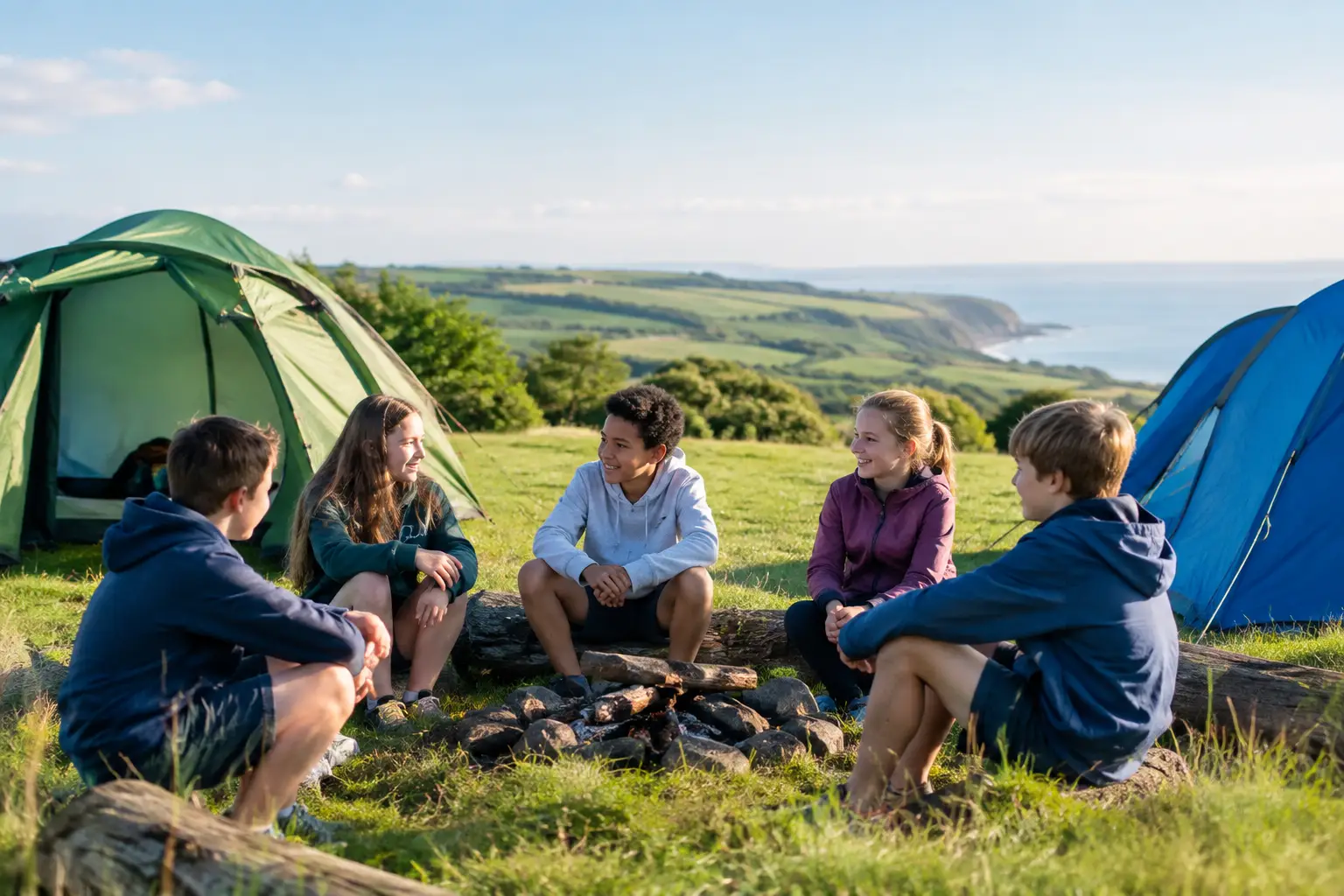
A coach full of excited pupils, muddy wellies by the tent flap and that first crackle of a campfire: a school residential should feel like a proper adventure, not a logistical endurance test. The right school trip camping venue Sussex can give children room to roam, learn and laugh together, while giving teachers the practical support they need to feel in control.
For many schools, the magic lies in being outside without being miles from help, hot water or a decent loo. Sussex is brilliantly placed for this balance. It feels like a countryside escape, yet is easy to reach from London and across the South East, leaving more time for the good bit: settling into camp and getting stuck in.
What makes a great school trip camping venue in Sussex?
A memorable residential is rarely about packing every minute with activities. Often, it is the in-between moments that pupils remember most: working out how to put up a tent, spotting bats at dusk, sharing stories over supper or waking to birdsong rather than the school bell.
But freedom needs a well-considered setting. When comparing venues, start with the practical foundations. Clear boundaries, a layout that is easy for staff to supervise, sensible vehicle access and a dedicated place for the group to gather all make a significant difference. A beautiful field alone is not enough if teachers are spending the whole stay counting heads and solving avoidable problems.
Good facilities matter too. Clean toilets, hot showers and accessible drinking water help children feel comfortable, particularly those who may be new to camping. They also make the experience more inclusive. Not every pupil arrives ready to embrace roughing it, and they should not have to miss out on the confidence-building parts of a residential because the basics feel daunting.
At Woods & Meadow Campsite, the feel is happily wild around the edges, with thoughtful comforts close by. That combination can help a school group enjoy the outdoors on its own terms: fresh air, open skies and space to play, without making comfort an afterthought.
Start with your group, not the activity list
The best venue depends on the age of your pupils, the size of your group and what you want the trip to achieve. A Year 4 class on its first overnight stay needs something different from a secondary-school geography group or a sixth-form enrichment weekend.
For younger children, a contained site, straightforward routines and plenty of reassuring adult presence are usually more valuable than an ambitious itinerary. Give them a simple job, such as collecting kindling under supervision, helping to lay tables or identifying woodland creatures, and they will feel part of camp life quickly.
Older pupils may benefit from more independence within agreed boundaries. A site with space for team challenges, quiet reflection and evening campfire sessions gives them opportunities to practise communication and leadership away from the usual classroom dynamics. It is amazing what changes when the pupil who rarely speaks up in lessons becomes the person who calmly gets a tent pole back in place.
There is a trade-off here. A packed programme can look impressive on paper, but an over-scheduled residential leaves little room for children to settle, notice their surroundings or simply enjoy being together. Choose a venue and timetable that allow for both structured learning and the small unscripted moments that make a trip feel special.
Consider accommodation confidence
Self-pitch camping is brilliant for groups who want the full hands-on experience. It encourages teamwork from the moment the coach doors open, and it can be a more affordable route for a larger party. It does, however, require time, equipment and a weather plan.
Pre-pitched bell tents or other ready-made accommodation can remove much of the arrival-day pressure. This can be especially helpful for shorter stays, mixed-age groups or schools bringing pupils with limited camping experience. The pupils still get the joy of sleeping beneath canvas, while staff gain a calmer start and fewer missing tent pegs.
There is no one right choice. The key is to be honest about your group’s needs, your staffing capacity and how much of the trip you want to devote to campcraft.
Make outdoor learning feel real
Sussex has a way of turning ordinary lessons into something pupils can touch, hear and remember. A walk through meadows can lead to conversations about habitats, food chains and seasonal change. A cooking session outdoors can bring maths, nutrition and collaboration together. Even the process of managing water bottles, layers and kit offers valuable practice in independence.
The strongest learning is often woven into the experience rather than delivered as another worksheet. Ask pupils to keep a short nature journal, map the sounds they hear after dark or photograph colours and textures for an art project back at school. Give small groups responsibility for planning a low-waste lunch or working out how to keep a shared space tidy.
If your trip has curriculum aims, speak to the venue early. Some sites are better set up for a flexible outdoor classroom than others, and local knowledge can help you shape activities around the landscape, the season and the time available. Spring may bring wildflowers and birdsong; autumn offers firelight, changing leaves and a very good reason to talk about weather systems.
Food, fire and the evening atmosphere
Evenings are where a school camping trip earns its place in pupils’ memories. Once bags are unpacked and the day’s adventures have settled, a shared meal and campfire can create the kind of connection that is difficult to recreate in a school hall.
Food needs careful planning, of course. Check dietary requirements early, establish how meals will be prepared and served, and make sure there is a clear handwashing routine. A venue that can support group catering, or provide a proper communal eating area, can take pressure off staff who would otherwise be juggling pans, permission slips and tired children.
Campfires need equally clear expectations. Used responsibly, they offer a focal point for stories, songs and reflection. Agree supervision levels, fire-safety procedures and noise boundaries with the venue before you arrive. The aim is not to make the experience overly formal. It is to create enough structure for everyone to relax into it.
Questions to ask before you book
A friendly conversation with a venue can reveal much more than a booking form. Ask how the site manages school groups, where staff can park and unload, what happens in poor weather, and whether there is a sheltered communal option. Confirm sleeping arrangements, washroom capacity, night-time access, emergency procedures and the site’s approach to risk assessments.
It is also worth asking about exclusive or private-hire options. Sharing a campsite with other holidaymakers can work perfectly well for some schools. For others, particularly groups needing a quieter routine or tighter safeguarding boundaries, having a defined private area may be worth the extra cost.
Do not forget the journey home. A venue close enough for a manageable coach trip, but far enough from everyday routines to feel exciting, is often the sweet spot. Sussex delivers that wonderfully well, with countryside, coast and hidden beaches all within reach for schools in the South East.
Give pupils a trip they can grow into
The purpose of a residential is not to produce perfect campfires, spotless tents or a gallery of posed photographs. It is to let pupils try things they have not tried before, rely on each other a little more and see themselves as capable away from home.
Choose a place that makes that feel possible – warm showers after rain, safe space to explore, kind hosts on hand and enough sky above them to remember that there is a bigger world beyond the classroom. Then leave a little room in the plan for the unexpected: the muddy game that becomes the highlight, the quiet child who loves stargazing, and the journey back when everyone is tired, happier and full of stories.